

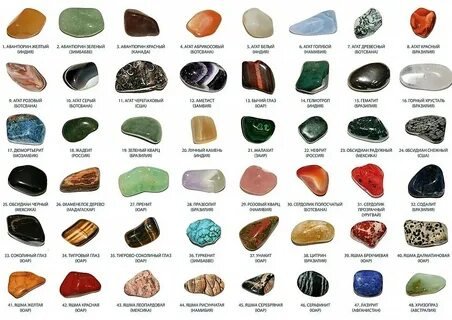
Gemstones have fascinated people for centuries because of their beautiful colors, distinctive appearances, rarity, and natural patterns. They are used in jewelry, decoration, collections, cultural traditions, and many other areas of life.
Gemstones can appear in almost every color imaginable. Some are famous for their vivid blue color, while others are known for rich green, brilliant red, soft pink, golden yellow, purple, black, white, or multicolored appearances.
If you are searching for names of gemstones and their colors, this guide provides more than 100 gemstone names organized by their common or well-known colors. It is useful for anyone interested in jewelry, gemstones, fashion, crafts, mineral collecting, or general knowledge.
Note: A gemstone’s color can vary depending on its variety, mineral composition, trace elements, treatments, lighting, and origin. The colors listed below are common or representative rather than the only colors a gemstone can have.
100+ Names of Gemstones and Their Colors
1. Red Gemstones
Red gemstones are often associated with rich, intense, and dramatic colors. Some may appear bright red, while others have pinkish, purplish, or orange-red tones.
- Ruby — Red
- Red Spinel — Red
- Red Garnet — Deep Red
- Almandine Garnet — Reddish Brown
- Pyrope Garnet — Deep Red
- Rhodolite Garnet — Purplish Red
- Red Beryl — Red to Reddish Pink
- Carnelian — Orange Red
- Red Jasper — Brick Red
- Fire Agate — Red, Orange, and Brown
- Red Tourmaline — Red to Pink
- Rubellite — Pinkish Red to Red
- Red Zircon — Red to Reddish Brown
- Red Coral — Red
- Cuprite — Deep Red to Brownish Red
Ruby is one of the most recognizable red gemstones, while garnets occur in several different red shades.
2. Blue Gemstones
Blue gemstones are popular for jewelry because of their cool and elegant appearance.
- Sapphire — Blue
- Blue Topaz — Light to Bright Blue
- Aquamarine — Pale Blue to Blue
- Tanzanite — Blue to Violet Blue
- Lapis Lazuli — Deep Blue
- Blue Zircon — Blue
- Blue Spinel — Blue
- Blue Tourmaline — Blue
- Iolite — Violet Blue
- Sodalite — Blue
- Dumortierite — Blue
- Azurite — Deep Blue
- Larimar — Pale Blue
- Kyanite — Blue
- Celestite — Pale Blue
Blue gemstones can range from extremely light, almost transparent shades to deep and saturated colors.
3. Green Gemstones
Green gemstones are often associated with nature and can range from pale green to intense emerald-like shades.
- Emerald — Green
- Peridot — Yellowish Green
- Green Tourmaline — Green
- Green Garnet — Green
- Tsavorite Garnet — Vivid Green
- Jade — Green
- Green Aventurine — Green
- Malachite — Green with Bands
- Chrysoprase — Apple Green
- Green Sapphire — Green
- Green Spinel — Green
- Prehnite — Pale Green
- Serpentine — Green
- Variscite — Green
- Bloodstone — Dark Green with Red Spots
Emerald is one of the best-known green gemstones, while malachite is especially recognizable because of its distinctive banded patterns.
4. Pink Gemstones
Pink gemstones range from very pale pastel shades to vivid pink and pinkish-red colors.
- Pink Sapphire — Pink
- Pink Tourmaline — Pink
- Morganite — Peachy Pink
- Rose Quartz — Soft Pink
- Pink Spinel — Pink
- Pink Topaz — Pink
- Rhodolite Garnet — Pinkish Purple
- Kunzite — Pink to Lilac
- Pink Opal — Pink
- Pink Zircon — Pink
- Pink Chalcedony — Pale Pink
- Pink Beryl — Pink
- Pink Agate — Pink
- Pink Calcite — Pale Pink
- Pezzottaite — Pink to Reddish Pink
Pink gemstones are popular in rings, necklaces, bracelets, earrings, and other jewelry.
5. Purple Gemstones
Purple gemstones can range from soft lavender to deep violet.
- Amethyst — Purple
- Purple Sapphire — Purple
- Purple Spinel — Purple
- Charoite — Purple
- Lepidolite — Lilac to Purple
- Purple Fluorite — Purple
- Sugilite — Purple
- Iolite — Blue Violet
- Kunzite — Pinkish Purple
- Purple Garnet — Purple
- Purple Tourmaline — Purple
- Purple Jade — Purple
- Purple Quartz — Purple
Amethyst is one of the most widely recognized purple gemstones and is a variety of quartz.
6. Yellow and Golden Gemstones
Yellow gemstones can range from pale lemon tones to deep golden colors.
- Yellow Sapphire — Yellow
- Citrine — Yellow to Golden
- Golden Beryl — Golden Yellow
- Heliodor — Yellow to Golden
- Yellow Topaz — Yellow
- Yellow Diamond — Yellow
- Golden Labradorite — Golden
- Yellow Tourmaline — Yellow
- Yellow Garnet — Yellow
- Chrysoberyl — Yellow to Greenish Yellow
- Amber — Golden Yellow to Orange
- Golden Rutile Quartz — Golden Inclusions
- Honey Calcite — Honey Yellow
- Yellow Fluorite — Yellow
Citrine and yellow sapphire are popular choices for people who prefer warm golden and yellow tones.
7. Orange Gemstones
Orange gemstones can have bright, warm, reddish, or golden appearances.
- Orange Sapphire — Orange
- Spessartine Garnet — Orange
- Carnelian — Orange to Red
- Fire Opal — Orange
- Orange Tourmaline — Orange
- Orange Zircon — Orange
- Sunstone — Orange to Peach
- Orange Calcite — Orange
- Imperial Topaz — Golden Orange
- Mexican Fire Opal — Orange to Red
- Orange Agate — Orange
Orange gemstones can create particularly warm-looking jewelry and can work well with gold-colored settings.
8. White and Clear Gemstones
White and colorless gemstones are often used for elegant and minimalist jewelry.
- Diamond — Colorless to Various Colors
- White Sapphire — Colorless to White
- White Topaz — Colorless
- Clear Quartz — Colorless
- White Zircon — Colorless to White
- Moonstone — White to Cream
- White Opal — White
- Selenite — White to Clear
- Howlite — White with Gray Veins
- White Agate — White
- Goshenite — Colorless
- Rock Crystal — Clear
Diamond is especially well known for its brilliance, while moonstone is recognized for its soft glow and optical effect.
9. Black Gemstones
Black gemstones can create a bold, modern, or dramatic appearance.
- Black Onyx — Black
- Black Tourmaline — Black
- Black Spinel — Black
- Black Diamond — Black
- Obsidian — Black
- Hematite — Metallic Gray to Black
- Jet — Black
- Black Agate — Black
- Shungite — Black
- Black Jade — Black to Dark Green
- Apache Tear — Black to Dark Gray
- Nuummite — Black with Golden Flecks
Black gemstones are often used in rings, bracelets, pendants, and statement jewelry.
10. Brown Gemstones
Brown gemstones can range from light honey and tan colors to deep chocolate shades.
- Smoky Quartz — Brown to Gray
- Tiger’s Eye — Golden Brown
- Brown Zircon — Brown
- Brown Tourmaline — Brown
- Bronzite — Brown
- Chocolate Opal — Brown
- Brown Topaz — Brown
- Mahogany Obsidian — Brown and Black
- Picture Jasper — Brown with Patterns
- Petrified Wood — Brown and Multicolored
Brown gemstones often have earthy appearances and can pair well with warm-colored metals.
11. Multicolored Gemstones
Some gemstones are famous for displaying several colors or distinctive patterns.
- Opal — Multicolored
- Labradorite — Gray with Blue, Green, or Golden Flashes
- Ammolite — Multicolored
- Watermelon Tourmaline — Pink and Green
- Ametrine — Purple and Yellow
- Boulder Opal — Multicolored
- Fire Agate — Orange, Red, and Brown
- Rainbow Moonstone — White with Colorful Flashes
- Moss Agate — Green and White
- Ocean Jasper — Multicolored Patterns
- Picasso Jasper — Gray, Brown, and Black Patterns
- Unakite — Green and Pink
- Pietersite — Blue, Brown, and Gold
- Fluorite — Green, Purple, Blue, and Other Colors
Multicolored gemstones can be particularly interesting because each stone may have a different natural pattern.
12. Rare and Unusual Gemstones
Beyond the best-known gemstones, there are many less common varieties with distinctive appearances.
- Alexandrite — Green to Red/Purple
- Paraíba Tourmaline — Blue to Green
- Benitoite — Blue
- Grandidierite — Blue-Green
- Jeremejevite — Pale Blue to Colorless
- Moldavite — Green
- Larimar — Blue and White
- Painite — Brownish Red
- Hackmanite — Violet to Pink
- Serendibite — Blue-Green to Black
- Ekanite — Greenish Brown
- Danburite — Colorless to Yellow
- Clinohumite — Yellow to Orange
- Sinhalite — Greenish Brown
These stones are examples of the enormous variety found in the world of minerals and gemstones.
How Are Gemstones Classified by Color?
Gemstone color is generally described using three main characteristics: hue, tone, and saturation.
Hue
Hue refers to the basic color, such as red, blue, green, or yellow.
Tone
Tone describes how light or dark the gemstone appears.
Saturation
Saturation describes the intensity or strength of the color.
For example, two sapphires may both be blue, but one may be pale blue while another has a much deeper and more saturated blue appearance.
Why Do Gemstones Have Different Colors?
Gemstone color can be influenced by several factors. Trace elements within a mineral can affect how it absorbs and reflects light. Structural differences, inclusions, and other natural characteristics can also influence appearance.
For some gemstones, treatments may also change or enhance their color. This is why gemstone descriptions should be checked carefully when purchasing valuable stones.
How to Choose a Gemstone Color
Choosing a gemstone color is largely a matter of personal preference.
Consider Your Favorite Colors
If you naturally prefer blue, sapphire, aquamarine, or blue topaz may appeal to you. People who prefer green might explore emerald, jade, or peridot.
Consider the Jewelry Design
The color of the gemstone should work with the metal and overall design of the jewelry. Some colors create a strong contrast, while others provide a softer appearance.
Consider the Occasion
Some people choose subtle gemstones for everyday jewelry and brighter or larger stones for special occasions.
Consider Natural Variation
Two stones of the same gemstone variety may not look exactly alike. Natural variation is one of the features that makes gemstones interesting.
Popular Gemstone Keywords for SEO
If you are creating gemstone, jewelry, fashion, or lifestyle content, these related keywords can help you develop additional articles:
- Names of gemstones
- Gemstone names and colors
- Gemstones and their colors
- List of gemstones
- Types of gemstones
- Precious gemstones
- Semi-precious gemstones
- Colorful gemstones
- Blue gemstones
- Green gemstones
- Red gemstones
- Pink gemstones
- Purple gemstones
- Yellow gemstones
- Black gemstones
- White gemstones
- Rare gemstones
- Gemstone color chart
- Birthstone colors
- Natural gemstones
Frequently Asked Questions
What are the most popular gemstones?
Some well-known gemstones include diamond, ruby, sapphire, emerald, amethyst, aquamarine, topaz, garnet, opal, tourmaline, peridot, and citrine.
What gemstone is blue?
Sapphire is one of the best-known blue gemstones. Other blue gemstones include aquamarine, blue topaz, tanzanite, lapis lazuli, and blue zircon.
What gemstone is green?
Emerald is one of the most famous green gemstones. Other green gemstones include peridot, jade, green tourmaline, tsavorite garnet, and chrysoprase.
What gemstone is red?
Ruby is the classic red gemstone. Other red stones include red spinel, red garnet, rubellite, carnelian, and red beryl.
What gemstones are pink?
Pink sapphire, pink tourmaline, morganite, rose quartz, pink spinel, and pink topaz are examples of pink gemstones.
What gemstones are purple?
Amethyst is the most familiar purple gemstone. Other examples include purple sapphire, purple spinel, charoite, sugilite, and purple fluorite.
Can one gemstone have different colors?
Yes. Some gemstones naturally occur in multiple colors. Certain varieties can also display more than one color within the same stone. For example, tourmaline can occur in green, pink, blue, red, yellow, and multicolored varieties.
Conclusion
The world of gemstones includes an incredible variety of colors, patterns, and natural appearances. From the deep red of ruby and bright green of emerald to the blue of sapphire, purple of amethyst, yellow of citrine, pink of morganite, and black of onyx, there is a gemstone for almost every color preference.
This list of 100+ gemstone names and their colors provides a useful introduction to some of the many varieties available. Remember that gemstone color can vary naturally, and some stones may appear in several different colors depending on their variety and characteristics.
Whether you are interested in jewelry, collecting, fashion, mineralogy, or simply learning more about beautiful natural stones, exploring gemstone colors is a fascinating way to discover the diversity of the mineral world.
