

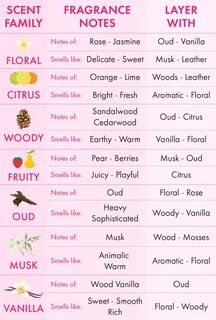
Perfume is one of the most popular ways to express personal style. A fragrance can feel fresh, sweet, floral, warm, woody, spicy, fruity, or mysterious depending on the ingredients and fragrance notes used to create it.
With thousands of perfumes available around the world, understanding different perfume scent names can make it easier to discover fragrances that match your personality and preferences. Perfume names are often inspired by flowers, fruits, spices, woods, seasons, places, emotions, and natural elements.
This guide contains 100+ names of perfume scents, organized into categories such as floral, fruity, fresh, sweet, woody, citrus, spicy, oriental-inspired, and clean fragrances.
What Are Perfume Scents?
A perfume scent is the overall smell produced by a combination of fragrance ingredients. Perfumes are commonly described using fragrance families and notes.
Some common perfume families include:
- Floral
- Fruity
- Citrus
- Fresh
- Woody
- Spicy
- Gourmand
- Green
- Aquatic
- Musky
A perfume can belong to more than one category because fragrance compositions often combine several types of notes.
100+ Names of Perfume Scents
1. Floral Perfume Scents
Floral fragrances are inspired by flowers and are among the most recognizable perfume categories.
- Rose
- Jasmine
- Lavender
- Violet
- Gardenia
- Magnolia
- Peony
- Tuberose
- Orchid
- Lily
- Honeysuckle
- Freesia
- Iris
- Lotus
- Ylang-Ylang
- Cherry Blossom
- Orange Blossom
- Lilac
- Geranium
- Osmanthus
Floral perfumes can be light and fresh or rich and intense depending on the combination of notes.
2. Fruity Perfume Scents
Fruity fragrances are often bright, sweet, playful, and energetic.
- Strawberry
- Raspberry
- Blackberry
- Blueberry
- Cherry
- Peach
- Pear
- Apple
- Plum
- Mango
- Pineapple
- Coconut
- Watermelon
- Passion Fruit
- Apricot
- Fig
- Pomegranate
- Lychee
- Blackcurrant
- Guava
Fruity notes can be combined with flowers, vanilla, woods, or citrus notes.
3. Citrus Perfume Scents
Citrus fragrances are often associated with freshness, brightness, and energy.
- Lemon
- Orange
- Bergamot
- Grapefruit
- Lime
- Mandarin
- Tangerine
- Yuzu
- Blood Orange
- Citron
- Bitter Orange
- Sweet Orange
- Kumquat
- Neroli
- Petitgrain
Citrus scents are commonly used in fresh fragrances and can also appear as opening notes in many perfume compositions.
4. Sweet Perfume Scents
Sweet fragrances can create a warm, comforting, or playful impression.
- Vanilla
- Caramel
- Honey
- Cotton Candy
- Marshmallow
- Chocolate
- Toffee
- Praline
- Brown Sugar
- Maple
- Hazelnut
- Almond
- Coconut Cream
- Vanilla Cream
- Sweet Milk
These scents are often found in gourmand perfumes, which are fragrances inspired by edible ingredients and desserts.
5. Woody Perfume Scents
Woody fragrances are often associated with warmth, depth, earthiness, and natural materials.
- Sandalwood
- Cedarwood
- Oud
- Vetiver
- Patchouli
- Guaiac Wood
- Cashmere Wood
- Birch
- Oak
- Cypress
- Pine
- Fir
- Ebony Wood
- Agarwood
- Hinoki Wood
Woody notes can be combined with flowers, spices, citrus, vanilla, or musk.
6. Spicy Perfume Scents
Spicy fragrances can provide warmth and complexity.
- Cinnamon
- Clove
- Cardamom
- Black Pepper
- Pink Pepper
- Ginger
- Nutmeg
- Saffron
- Star Anise
- Coriander
- Allspice
- Chili Pepper
Spicy notes are often paired with woods, amber, vanilla, or floral ingredients.
7. Fresh Perfume Scents
Fresh fragrances are commonly associated with clean, light, refreshing sensations.
- Fresh Linen
- Clean Cotton
- Morning Dew
- Fresh Rain
- Green Tea
- Mint
- Basil
- Cucumber
- Aloe
- Fresh Grass
- Sea Breeze
- Cool Water
- Spring Air
Fresh scents can be suitable for people who prefer light and airy fragrance profiles.
8. Aquatic Perfume Scents
Aquatic fragrances are inspired by water, oceans, rain, and fresh marine environments.
- Ocean Breeze
- Sea Salt
- Ocean Mist
- Marine Accord
- Coastal Air
- Sea Spray
- Water Lily
- Rainwater
- Deep Ocean
- Aqua Fresh
- Mineral Water
- Island Water
Aquatic fragrances can create a clean and refreshing impression.
9. Green Perfume Scents
Green fragrances are inspired by leaves, herbs, grass, plants, and fresh vegetation.
- Green Tea
- Fresh Grass
- Basil Leaf
- Mint Leaf
- Fig Leaf
- Violet Leaf
- Green Apple
- Bamboo
- Moss
- Olive Leaf
- Tomato Leaf
- Tea Leaf
- Herbal Garden
Green fragrances can have fresh, earthy, herbal, or slightly bitter characteristics.
10. Musky Perfume Scents
Musk is frequently used as a base note in modern fragrances.
- White Musk
- Soft Musk
- Clean Musk
- Powdery Musk
- Amber Musk
- Floral Musk
- Cotton Musk
- Warm Musk
- Skin Musk
- Vanilla Musk
Musky fragrances are often blended with floral, woody, fruity, or powdery notes.
11. Powdery Perfume Scents
Powdery fragrances can have a soft, smooth, elegant character.
- Baby Powder
- Powdered Rose
- Iris Powder
- Violet Powder
- Soft Powder
- Talc Accord
- Powdery Musk
- Cosmetic Powder
- Almond Powder
- Vanilla Powder
Powdery notes are often combined with iris, violet, musk, vanilla, and soft floral ingredients.
12. Warm and Amber Perfume Scents
Warm fragrances can be rich, comforting, and deep.
- Amber
- Golden Amber
- Warm Amber
- Amber Vanilla
- Amber Woods
- Resin Amber
- Sweet Amber
- Spiced Amber
- Amber Musk
- Dark Amber
Amber-style fragrances can include combinations of resins, vanilla, woods, spices, and musk.
13. Earthy Perfume Scents
Earthy fragrances draw inspiration from soil, forests, roots, moss, and natural landscapes.
- Earth
- Forest Floor
- Moss
- Wet Soil
- Vetiver Earth
- Oakmoss
- Forest Woods
- Root
- Patchouli Earth
- Green Moss
These scents can provide depth and a connection to nature.
14. Elegant and Romantic Perfume Scent Names
If you are looking for creative fragrance names for a perfume collection, beauty blog, product concept, or writing project, these names can provide inspiration.
- Velvet Rose
- Midnight Jasmine
- Golden Blossom
- Rose Whisper
- Moonlit Garden
- Vanilla Dream
- Floral Elegance
- Crystal Bloom
- Secret Garden
- Sweet Romance
- Pink Velvet
- Blossom Kiss
- Rose Moon
- Enchanted Petals
- Golden Petals
- Love Blossom
- Soft Romance
- Floral Mist
- Dreamy Vanilla
- Sunset Rose
These are creative scent-name ideas rather than standardized fragrance classifications.
15. Unique Perfume Scent Names
For people searching for unusual fragrance inspiration, these names can be used as creative ideas.
- Midnight Rain
- Velvet Sky
- Ocean Whisper
- Golden Hour
- Moonlit Woods
- Summer Breeze
- Secret Orchard
- Crystal Rain
- Wild Blossom
- Silver Mist
- Hidden Garden
- Amber Sunset
- Vanilla Cloud
- Forest Moon
- Rose Storm
Creative names can help communicate the mood or story behind a fragrance.
Understanding Perfume Notes
Perfume is often described using three stages of fragrance notes.
Top Notes
Top notes are usually noticed first after applying perfume. Citrus, herbs, and some fresh ingredients are commonly used in this part of a fragrance composition.
Middle Notes
Middle notes, sometimes called heart notes, become more noticeable as the top notes fade. Floral, fruity, and spicy ingredients can play an important role here.
Base Notes
Base notes provide depth and can remain noticeable for much longer. Woods, musk, amber, vanilla, and some resins are commonly used as base-note materials.
The interaction between these different notes creates the overall fragrance experience.
How to Choose a Perfume Scent
Choosing a fragrance is highly personal. The scent that works for one person may not be the preferred choice for another.
Consider Your Favorite Smells
Think about scents you already enjoy. If you love roses and flowers, a floral perfume may be a natural starting point. If you prefer fresh smells, explore citrus, aquatic, or green fragrances.
Consider the Occasion
A light fragrance may suit daytime activities, while richer fragrances can be chosen for evenings or special occasions.
Consider the Season
Some people prefer fresh citrus and aquatic fragrances during warmer weather and warmer vanilla, amber, or woody fragrances during cooler months.
Test Before Buying
Perfume can smell different on different people because skin chemistry can influence how fragrance develops. If possible, test a fragrance on your skin before purchasing a full-size bottle.
Popular Perfume Keywords for SEO
If you are creating fragrance and beauty content, these related keywords can help you plan additional articles:
- Perfume scent names
- Names of perfume scents
- Perfume fragrance names
- Types of perfume scents
- Perfume notes
- Fragrance families
- Floral perfume scents
- Fruity perfume scents
- Fresh perfume scents
- Sweet perfume scents
- Woody perfume scents
- Spicy perfume scents
- Luxury perfume scents
- Perfume ideas
- Fragrance names
- Popular perfume scents
- Best smelling perfume notes
- Perfume scent categories
- Fragrance notes for beginners
- Perfume names for women
Frequently Asked Questions
What are the main types of perfume scents?
Common fragrance families include floral, fruity, citrus, fresh, woody, spicy, gourmand, green, aquatic, and musky fragrances.
What are popular floral perfume scents?
Rose, jasmine, lavender, violet, gardenia, peony, orchid, lily, magnolia, and tuberose are examples of floral scent profiles.
What are sweet perfume scents?
Vanilla, caramel, honey, chocolate, praline, marshmallow, toffee, almond, and brown sugar are examples of sweet fragrance profiles.
What are fresh perfume scents?
Fresh linen, clean cotton, mint, cucumber, green tea, fresh grass, morning dew, sea breeze, and rain-inspired scents are examples of fresh fragrance profiles.
What are woody perfume scents?
Sandalwood, cedarwood, oud, vetiver, patchouli, pine, oak, cypress, and agarwood are examples of woody fragrance notes.
How many types of perfume scents are there?
There is no single fixed number because fragrance classification systems vary. Perfumes can also combine multiple fragrance families and individual notes.
Conclusion
There are countless perfume scents and fragrance combinations to explore. Floral scents such as rose and jasmine can create a romantic character, while fruity fragrances can feel bright and playful. Citrus and aquatic scents can provide freshness, while vanilla, amber, woods, musk, and spices can create warmer and deeper fragrance profiles.
Understanding 100+ names of perfume scents is a useful starting point for anyone interested in fragrances. Whether you are shopping for a new perfume, learning about fragrance notes, creating beauty content, or developing creative perfume names, knowing different scent categories can help you describe what you like.
The most important part of choosing a perfume is finding a fragrance that suits your personal preferences and the occasions when you plan to wear it. Exploring different scent families and testing fragrances can help you discover combinations that you genuinely enjoy.
