

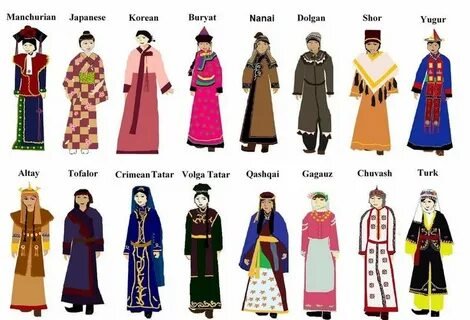
Traditional clothing is an important part of culture, history, identity, and artistic expression. Across the world, communities have developed unique garments that reflect their climate, history, beliefs, craftsmanship, and way of life. Some traditional clothes are worn every day, while others are mainly used for weddings, festivals, religious ceremonies, national celebrations, and other special occasions.
From the Agbada and Kente of West Africa to the Kimono of Japan, Sari of South Asia, Hanbok of Korea, and Dirndl of Central Europe, traditional clothing comes in many different forms.
Learning the names of traditional clothes around the world can help people understand the diversity of global fashion and discover the stories behind different garments.
This guide explores more than 100 traditional clothing names from different countries and regions, organized geographically for easier reading.
What Is Traditional Clothing?
Traditional clothing refers to garments and accessories that are historically associated with a particular community, culture, region, ethnic group, or country.
Traditional clothing can be influenced by many factors, including:
- Climate
- Local materials
- Religion
- History
- Social traditions
- Ceremonies
- Occupation
- Regional craftsmanship
- Cultural identity
Some garments have changed over time and may now be worn mainly during cultural celebrations rather than as everyday clothing.
Traditional Clothing in Africa
Africa has an enormous variety of traditional clothing. Different communities use distinctive fabrics, patterns, embroidery, colors, and garment styles.
1. Agbada – West Africa
Agbada is a flowing, wide-sleeved robe associated with several West African cultures. It is particularly prominent in countries such as Nigeria and can be worn for weddings, celebrations, religious occasions, and formal events.
2. Kente – Ghana
Kente is a brightly patterned woven textile strongly associated with Ghana. It is traditionally woven in strips and is widely recognized for its intricate designs and colors.
3. Dashiki – West Africa
The dashiki is a colorful loose-fitting garment associated with West African fashion and has also become widely recognized internationally.
4. Boubou – West Africa
The boubou is a flowing robe worn in various parts of West Africa. Different communities have their own variations.
5. Kaftan – North and West Africa
Kaftan-style garments are found across several African and Middle Eastern cultures. Designs vary considerably by region.
6. Djellaba – Morocco
The djellaba is a long, loose-fitting garment traditionally worn in Morocco and parts of North Africa. It commonly features a hood.
7. Grand Boubou – West Africa
The grand boubou is a large flowing robe worn in several West African countries, often for formal or ceremonial occasions.
8. Aso Oke – Nigeria
Aso Oke refers to a handwoven textile tradition of the Yoruba people. The fabric is used for garments and accessories, particularly for important celebrations.
9. Isiagu – Nigeria
Isiagu is a traditional Igbo garment commonly associated with formal and ceremonial clothing. It often features decorative patterns and is frequently worn with trousers.
10. Shweshwe – Southern Africa
Shweshwe is a distinctive printed textile associated particularly with Southern African fashion. It is used to create dresses, skirts, shirts, and other garments.
Traditional Clothing in Asia
Asia contains some of the world’s most recognizable traditional garments, with clothing traditions stretching back centuries.
11. Kimono – Japan
The kimono is one of Japan’s best-known traditional garments. It is a T-shaped robe with distinctive sleeves and is worn in various formal and cultural settings.
12. Yukata – Japan
Yukata is a lighter, more casual Japanese robe traditionally associated with summer and festivals.
13. Hanbok – South Korea
Hanbok is traditional Korean clothing known for its distinctive silhouette, vibrant colors, and graceful lines.
14. Sari – India and South Asia
The sari is a long piece of fabric traditionally wrapped around the body. There are numerous regional draping styles, fabrics, and designs.
15. Salwar Kameez – South Asia
Salwar kameez consists traditionally of a tunic-style top and trousers. It is widely worn across South Asia with many regional variations.
16. Lehenga – South Asia
A lehenga is a traditional outfit generally consisting of a long skirt paired with a blouse and often a scarf or dupatta.
17. Sherwani – South Asia
The sherwani is a long formal coat traditionally worn by men in South Asia, particularly for weddings and other formal occasions.
18. Dhoti – South Asia
A dhoti is a traditional draped garment worn by men in parts of South Asia.
19. Kurta – South Asia
A kurta is a long tunic-style garment worn across South Asia by people of different communities.
20. Cheongsam – China
The cheongsam, also called qipao, is a fitted Chinese dress that developed into its modern form during the twentieth century.
